

[email_link]
And Why brands must constantly have fresh, inspiring content
When your brand has uploaded hundreds of recipes, it’s easy to surmise that reposting those videos would be more cost-efficient than coming up with new content. Besides, consumers might not even notice that they are being recycled again. But as the pandemic drives people to different realities, a one-video-fits-all solution might not be enough to keep consumers engaged. Here are some of those realities and why you should reconsider:
Cooking Fatigue is Real
Burnout is usually associated with work, but cooking in lockdown may feel the same way, with high feelings of depletion, and negative sentiments toward activities that we once previously enjoyed.1 Consider this as languishing, but in the kitchen. According to psychologist Cary Cherniss, “When people feel that cooking is not meaningful and intrinsically rewarding, then it becomes just another chore.” To be meaningful, an activity should involve optimally challenging tasks ― not too difficult but challenging enough so that there is a sense of accomplishment when the task is completed successfully. Seeing the same recipe content also contributes to the fatigue, and there’s a big chance that the consumer may think your brand is languishing too.
WHAT TO DO: Variety is key, so drop new recipes when interest and engagement starts waning. Also, consider putting a different dimension to content other than cooking. For example, the art of plating or decorating. Involve followers to submit their own work and reward IG-worthy ones and those who go the extra mile.

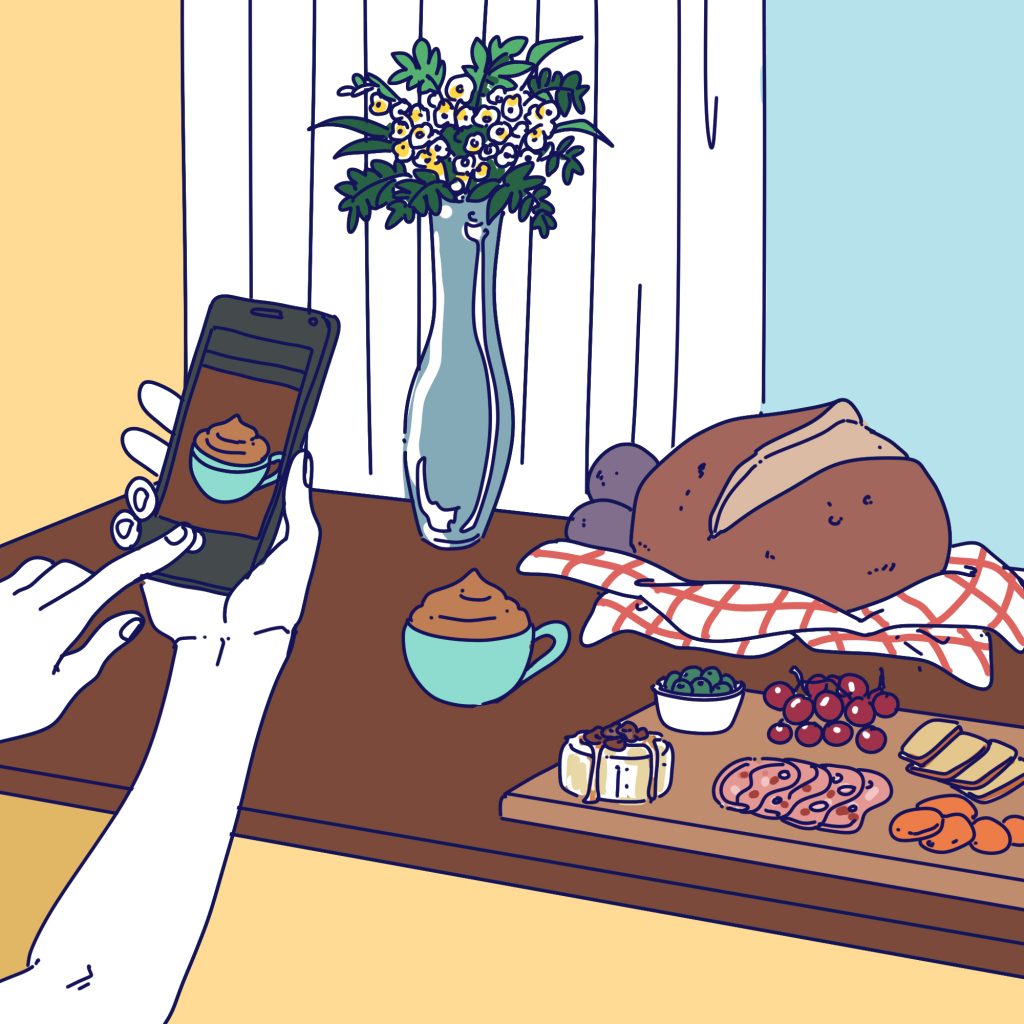
Boredom breeds new challenges
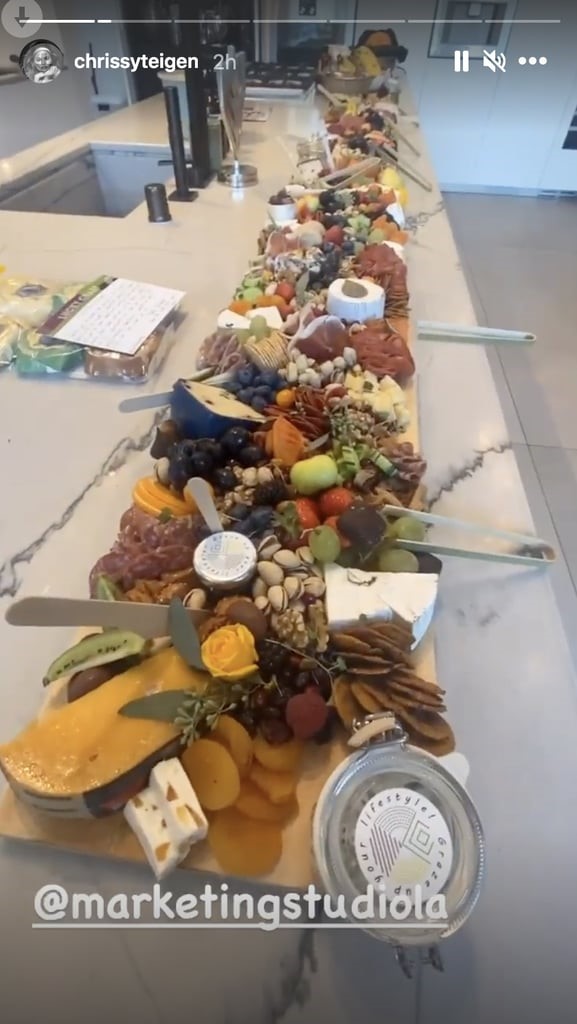
In April 2020 at the height of ECQ, searches spiked for Dalgona2 coffee and Sushi Bake3. By Rainy season, Sour dough starters and Ube cheese pandesal became an Instagram hit. Christmas saw the rise of the Charcuterie Board challenge, with celebrities from Chrissy Teigen urging followers to outdo her, to pinoy food communities like Let’s Eat Pare4 successfully convincing over 1000 of its members to post their own creations. Which goes to show that when people feel bored, and there is nothing delightful to post on social media, overcoming food challenges become the empowering happy thought.
WHAT TO DO: Beef up social listening, and plan content based on emerging ideas and food trends. Your content may not always be a recipe video. It may be a contest announcement or a challenge based on trending recipes.

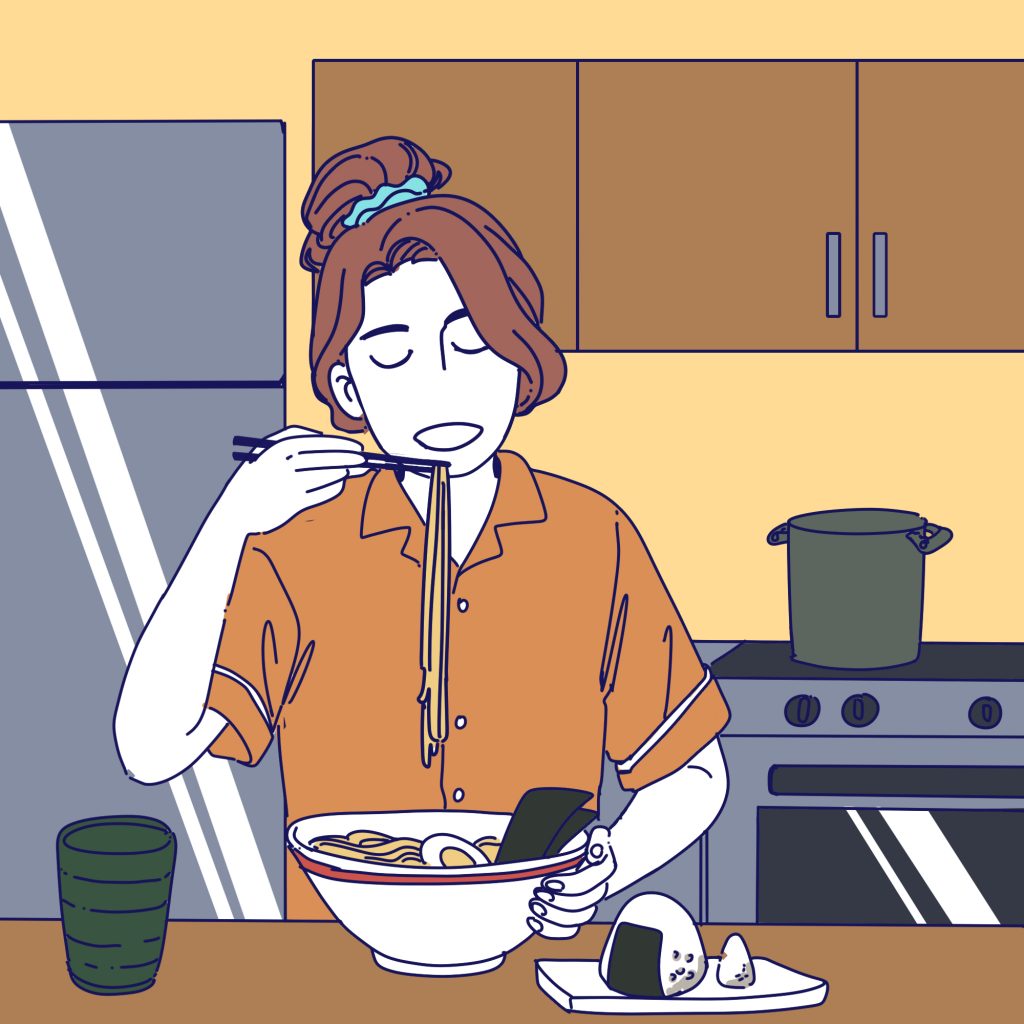
In lieu of Travel, Food became the next great escape
With borders closed and the next family trip postponed indefinitely, Travel content creators worldwide were in a dilemma5. Promoting travel frustrates viewers, and can also be viewed as irresponsible as governments struggle to impose lockdowns. With the lack of lifestyle and adventure content, Travel food bloggers then concentrated to just one theme: food featuring local cuisine. Giving viewers a glimpse of food culture provided a momentary escape from ECQ . Youtubers also replicated recipes that reminded people of travel, such as DisneyWorld’s Churros and Ikea Meatballs6, which were among Google’s top searched recipes for 2020.
WHAT TO DO: If creating new content on your own isn’t possible, tap creators who can inject international inspirations into a recipe and let them feature your brand.
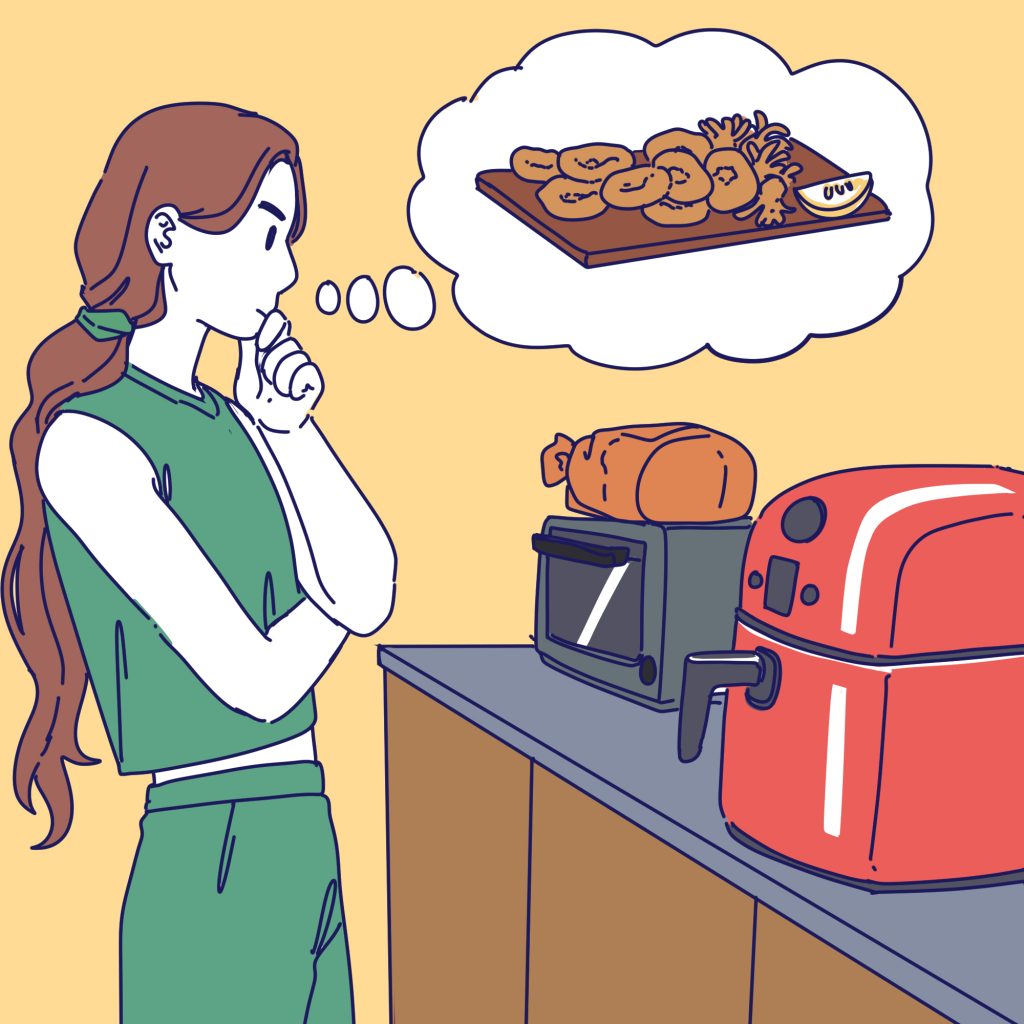
New cooks and new tools don’t always go with old recipes.
People who never cooked before the pandemic are treading into the kitchen, armed with appliances that promised a no-fuss experience. It’s no secret that the Air fryer was the top kitchen purchase for 2020, followed by the microwave, electric grill, and slow cooker. Most of their new owners are cooking newbies, they work from home, and cannot be bothered with following heirloom recipes that require skill. So even reliable recipes such as Adobo or ginisa cooked on a stove might not always be very interesting for the people who invested on a new appliance.
WHAT TO DO: While you may revise your recipe video, you need not totally redo the recipe itself. Just make them hackable featuring the new kitchen tools. Consider recipes such as calamares on the air fryer and tinola in the crockpot. Doing this also widens your reach and may attract progressive or new cooks.

Lifestyles are changing, and so must we.
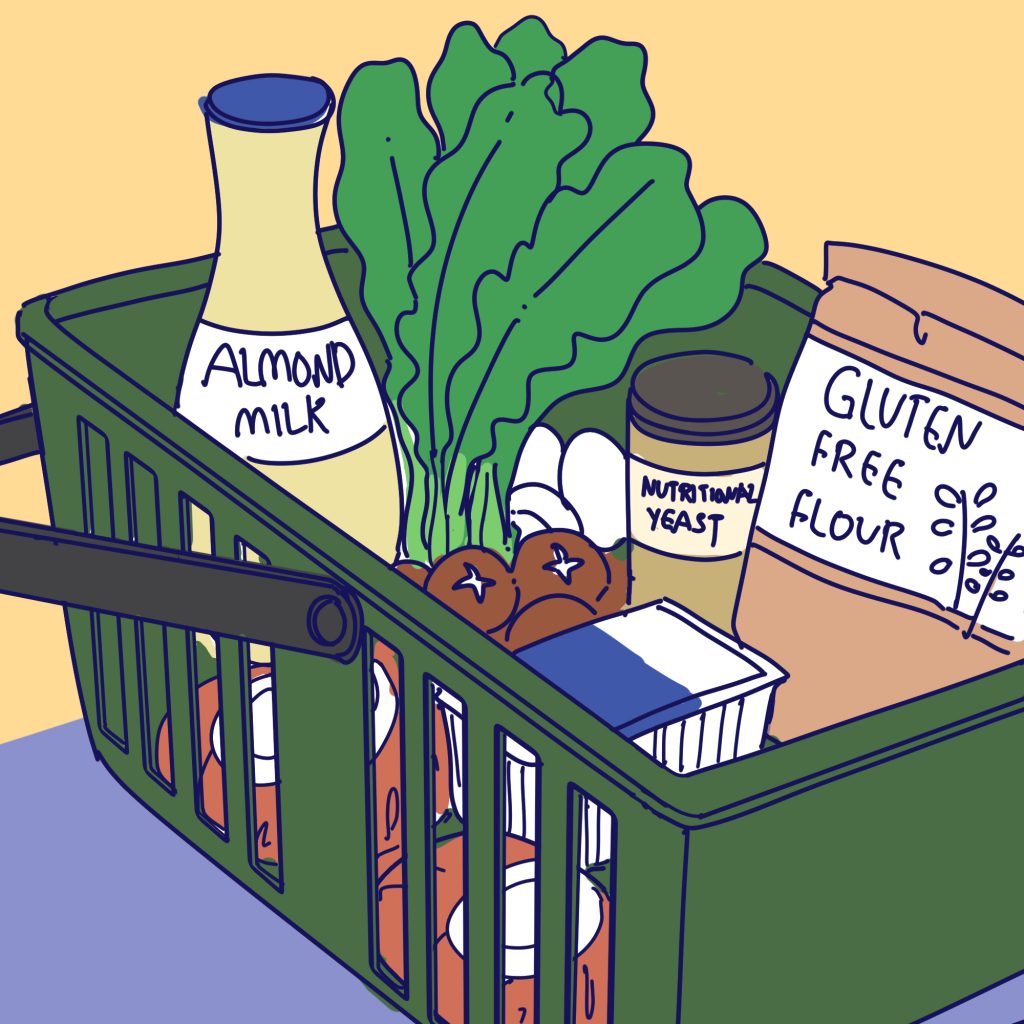
A decade ago, veganism wasn’t a thing. Nor was Paleo. People didn’t avoid gluten and ketogenic diets were unheard of. The people who follow these lifestyle practices may be a very small minority, but they are die hard, influential, and more affluent. They are also slowly growing. Food products that catered to them exclusively in Health stores are now in mainstream groceries. But to this day, there is still a dearth of big brands that would offer them content and engagement.
WHAT TO DO: More than recycling videos, what is important is re-tagging, especially for content that might appeal to this set of consumers. Label Adobong kangkong as Vegan adobo. Or an old curry recipe into Keto curry. The important thing is to be part of their consideration, and that your brand is perceived as inclusive and considerate of their dietary needs.
Sources: